Personal Survival Techniques Course : Prepare Yourself for Emergencies at Sea Call +91-8828102598

Working onboard a ship is an exciting career opportunity, but life at sea also comes with responsibilities and unexpected challenges. From changing weather conditions to onboard emergencies, every seafarer must be prepared to respond quickly and correctly. One of the most important skills required in such situations is knowing how to survive at sea.
The Personal Survival Techniques course plays an essential role in preparing seafarers to handle emergency situations, particularly when abandoning a vessel becomes necessary. It helps candidates understand survival equipment, life-saving appliances, emergency procedures and the importance of teamwork during difficult situations.
If you are planning to enter the merchant navy or looking to complete your maritime safety training, choosing the right training institute is an important decision. Girik Maritime Academy focuses on providing professional maritime education and practical learning opportunities to Indian seafarers.
In this blog, we will explore the importance of survival training, what candidates learn, the benefits of maritime safety education and why Girik Maritime Academy is worth considering for your training journey.
1. What Is a Personal Survival Techniques Course?
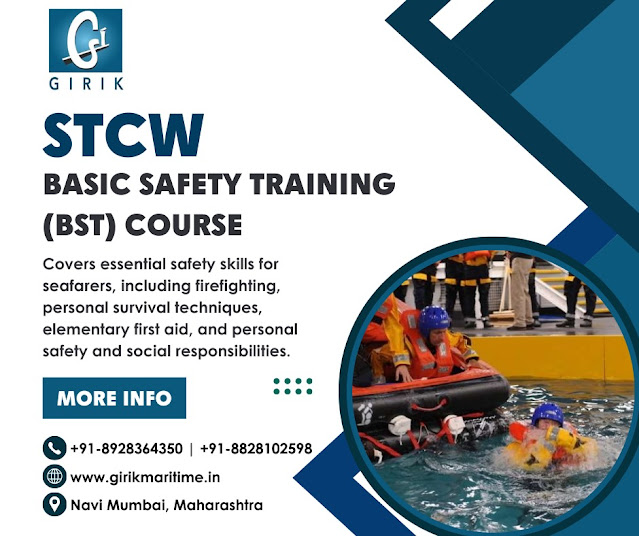
The Personal Survival Techniques course is an important component of basic safety training under the International Convention on Standards of Training, Certification and Watchkeeping for Seafarers (STCW).
The course is designed to help seafarers understand how to protect themselves and improve their chances of survival during emergencies at sea.
Imagine a situation where a vessel experiences a serious emergency and the crew receives instructions to abandon ship. In such circumstances, knowing how to use life-saving equipment, enter a life raft safely and follow survival procedures can make a significant difference.
During this training, candidates learn about:
- Emergency procedures onboard ships.
- Abandoning-ship procedures.
- Life-saving appliances and equipment.
- Survival techniques in the water.
- Life raft operations and safety.
- Personal survival equipment.
- Rescue procedures and teamwork.
The objective is to develop awareness, practical knowledge and confidence so that seafarers can respond appropriately during emergencies.
2. Why Is Personal Survival Training Important for Seafarers?
The maritime environment is unpredictable. Ships operate in different sea conditions, weather patterns and geographical locations. An emergency can occur even when a vessel is operating under normal conditions.
This is why survival knowledge is an essential part of maritime safety preparation.
A. Preparation for Abandon-Ship Emergencies
Abandoning a vessel is a serious emergency decision. Seafarers must understand the correct procedures and follow instructions from responsible officers.
Survival training introduces candidates to the steps involved in preparing for and responding to such situations.
B. Understanding Life-Saving Appliances
Ships carry different types of life-saving appliances designed to support crew survival during emergencies.
Candidates learn about equipment such as:
- Life jackets.
- Lifebuoys.
- Life rafts.
- Immersion suits.
- Personal survival equipment.
- Other applicable life-saving appliances.
Understanding how these items work helps seafarers become more familiar with emergency equipment.
C. Developing Confidence in Water
Survival situations may require individuals to remain in water while waiting for rescue.
Practical training helps candidates understand water-survival techniques, appropriate movements and the importance of conserving energy.
D. Learning Teamwork and Discipline
Survival at sea is not only about individual skills. It also requires cooperation, communication and discipline.
Candidates learn why following instructions and supporting other crew members are important during emergency situations.
3. What Will You Learn During the Personal Survival Techniques Course?
The training combines theoretical knowledge with practical exercises to introduce candidates to important survival procedures.
Some of the major learning areas include:
Understanding Emergency Situations
Candidates learn about different emergencies that may occur onboard ships and the importance of responding according to established procedures.
Personal Survival Equipment
Students become familiar with personal survival equipment and understand its purpose, correct usage and importance during emergencies.
Life Raft Familiarisation
Life rafts are important survival appliances used when abandoning a vessel. Training introduces candidates to their features, purpose and basic operating principles.
Abandon-Ship Procedures
Candidates learn about the importance of emergency instructions, muster procedures, proper use of survival equipment and safe evacuation practices.
Survival Techniques in Water
Water-survival training introduces techniques that can help individuals remain afloat, conserve energy and cooperate with others while awaiting rescue.
Rescue and Recovery Awareness
Candidates also develop an understanding of the importance of rescue procedures, emergency communication and coordination during survival situations.
4. Why Practical Training Matters in Personal Survival Techniques
Reading about survival procedures is useful, but understanding how to apply them is equally important.
Practical exercises help candidates become familiar with the equipment and procedures they may need to use onboard a vessel.
For example, understanding how to wear a life jacket is different from actually practising how to put it on correctly. Similarly, knowing about life rafts in a classroom is not the same as understanding their use through practical demonstrations.
Practical learning can help candidates:
- Become familiar with survival equipment.
- Understand emergency instructions.
- Improve confidence in water-based exercises.
- Learn the importance of teamwork.
- Understand how to respond during survival situations.
At Girik Maritime Academy, practical knowledge and professional maritime education are important parts of the learning approach.
5. Relationship Between Personal Survival Techniques and STCW Course
The STCW Course provides seafarers with essential training based on internationally recognised maritime standards.
Personal Survival Techniques is one of the important subjects covered under the basic safety training framework.
Other important areas of basic safety training include:
1. Fire Prevention and Fire Fighting: Helps candidates understand fire hazards, prevention measures, firefighting equipment and emergency response.
2. Elementary First Aid: Introduces basic medical assistance and initial responses to injuries and emergencies.
3. Personal Safety and Social Responsibilities course: Helps candidates understand workplace safety, accident prevention, communication, pollution prevention and their responsibilities towards fellow crew members.
Together, these training areas help seafarers develop a better understanding of shipboard safety and professional responsibilities.
Candidates should confirm the applicable training requirements according to their intended duties and current DG Shipping regulations.
6. Who Should Enrol in Personal Survival Techniques Training?
This training is relevant to individuals preparing for maritime employment and seafarers who need to complete the applicable safety training requirements.
It may be suitable for:
- Freshers planning to join the merchant navy.
- Aspiring deck department candidates.
- Aspiring engine department candidates.
- Existing seafarers completing required safety training.
- Maritime professionals looking to improve their emergency preparedness.
Before enrolling, candidates should check the applicable eligibility criteria, course requirements and documentation with their selected training institute.
7. How to Choose the Right Maritime Training Institute in Navi Mumbai
Selecting an appropriate training academy is an important step in your maritime career.
If you are searching for an STCW Course in Navi Mumbai, you should consider more than just the course fee or location.
Here are some important factors to check before making your decision.
Verify DG Shipping Approval
Always check the institute’s current approval status and whether the specific course is approved for delivery at that institute.
Check Practical Training Facilities
Survival training requires appropriate practical facilities and equipment. Ask about the practical exercises included in the programme.
Understand the Course Curriculum
Review the subjects, duration, training schedule and learning outcomes before enrolling.
Ask About Instructor Experience
Experienced maritime instructors can help students understand safety concepts through practical examples and professional knowledge.
Confirm Documentation Requirements
Ask about the documents required for registration, eligibility and course completion.
Making these checks can help you choose a suitable institute for your maritime training.
8. Why Choose Girik Maritime Academy for Maritime Safety Training?
Girik Maritime Academy is dedicated to shaping the future of Indian seafarers through professional maritime education and industry-focused training.
The academy aims to help candidates develop the knowledge, confidence and practical understanding required for their maritime journey.
Here are some reasons to consider Girik Maritime Academy.
Professional Maritime Education
The academy focuses on maritime training designed to help candidates understand important shipboard safety requirements.
Experienced Industry Professionals
Learning from knowledgeable maritime professionals can help candidates understand the practical importance of safety procedures and emergency preparedness.
Practical Learning Approach
Practical demonstrations and exercises help students connect classroom knowledge with real-world shipboard situations.
Guidance for Aspiring Seafarers
Candidates can seek information about different maritime training programmes, eligibility criteria, documentation and course requirements.
Focus on Indian Seafarers
Girik Maritime Academy believes in supporting Indian seafarers through meaningful interaction, professional guidance and maritime education.
If you are planning to complete your survival training, contact Girik Maritime Academy to learn about the applicable course schedule and enrolment process.
9. How Can Personal Survival Training Support Your Maritime Career?
A maritime career requires continuous learning and a strong understanding of safety responsibilities.
Personal survival training helps candidates become familiar with emergency procedures before they enter the shipboard working environment.
The knowledge gained during training can help seafarers:
- Understand emergency situations more effectively.
- Recognise the importance of life-saving appliances.
- Follow established safety procedures.
- Cooperate with other crew members.
- Develop a responsible approach towards shipboard safety.
Remember, safety training is not simply about receiving a certificate. It is about developing the knowledge and awareness needed to protect yourself and others at sea.
10. Start Your Maritime Training Journey with Girik Maritime Academy
If you are looking for a professional institute to begin or continue your maritime training, Girik Maritime Academy can help you understand the available programmes and relevant requirements.
Whether you are interested in survival training, basic safety subjects or the Personal Safety and Social Responsibilities course, choosing the appropriate programme is an important part of your professional development.
Do not wait until an emergency occurs to understand survival procedures. Build your knowledge through proper training and prepare yourself for the responsibilities of working onboard a ship.
Contact Girik Maritime Academy today for course details and enrolment guidance.
Contact Details:
- Academy: Girik Maritime Academy
- Phone: +91–8928364350
- Phone: +91–8828102598
- Email: girikmaritime@gmail.com
- Website: https://www.girikmaritime.in/
- Address: Office №120, 1st Floor, A-Wing, Mahesh Building, Sector 15, CBD Belapur, Navi Mumbai, Maharashtra — 400614.
Conclusion
Working at sea requires professional knowledge, discipline and the ability to respond calmly during unexpected situations. The Personal Survival Techniques course helps seafarers understand essential survival procedures, life-saving appliances, emergency equipment and abandon-ship practices.
From learning how to use survival equipment to understanding water-survival techniques, every part of the training contributes to better emergency preparedness.
If you are planning to pursue an STCW Course in Navi Mumbai, consider Girik Maritime Academy for professional maritime education and guidance. With an emphasis on practical knowledge and seafarer development, the academy aims to help candidates take confident steps towards their maritime careers.
Invest in the right training today and prepare yourself for a safer and more responsible future at sea.
Frequently Asked Questions (FAQs)
1. What is the main objective of the Personal Survival Techniques course?
The main objective is to prepare seafarers to respond appropriately during emergencies at sea. Candidates learn about survival equipment, life-saving appliances, abandon-ship procedures and techniques for surviving in water.
2. Is Personal Survival Techniques part of the STCW Course?
Yes. Personal Survival Techniques is an essential component of basic safety training under the STCW framework. It helps seafarers develop important knowledge and practical survival skills.
3. Where can I find an STCW Course in Navi Mumbai?
You can contact Girik Maritime Academy in CBD Belapur, Navi Mumbai, to enquire about available STCW training programmes, course schedules, eligibility and applicable DG Shipping approval.
4. Why is the Personal Safety and Social Responsibilities course important?
The Personal Safety and Social Responsibilities course helps seafarers understand workplace safety, accident prevention, communication, teamwork, pollution prevention and their responsibilities towards other crew members onboard ships.


Comments
Post a Comment