Personal Safety and Social Responsibilities Course at Girik Maritime Academy: Duration, Eligibility, and Benefits

Introduction

The maritime industry offers exciting career opportunities for individuals who dream of working at sea. However, life onboard a ship comes with unique challenges and responsibilities. To ensure the safety of crew members and the protection of the marine environment, proper training is essential. One of the most important mandatory courses for aspiring seafarers is the Personal Safety and Social Responsibilities Course (PSSR).
At Girik Maritime Academy, we provide comprehensive maritime training programs designed to prepare students for successful careers in the shipping industry. Our Personal Safety and Social Responsibilities Course equips future seafarers with the knowledge and skills required to work safely, responsibly, and effectively onboard ships.
In this guide, we will discuss the course duration, eligibility criteria, syllabus, certification, and career benefits of the PSSR course.
What is the Personal Safety and Social Responsibilities Course?
The Personal Safety and Social Responsibilities Course is a mandatory component of the STCW Course framework. It is designed to provide seafarers with essential knowledge regarding personal safety, accident prevention, social responsibilities, and environmental protection while working onboard a vessel.
The course helps individuals understand shipboard life, workplace hazards, emergency procedures, and the importance of teamwork and communication. It serves as the foundation for anyone planning to begin a maritime career.
Eligibility Criteria for PSSR Course
The course is open to:
All seafarers and prospective seafarers
Candidates interested in starting a maritime career
Individuals seeking mandatory STCW certification
Minimum Qualification
10th Standard pass is desirable
Aim of the Personal Safety and Social Responsibilities Course
The primary objective of the course is to provide mandatory safety training to seafarers regarding accident prevention and safe working practices onboard ships.
Unlike jobs on land, working at sea involves unique risks and challenges. The PSSR course prepares individuals to handle these challenges by teaching them how to:
Identify workplace hazards
Follow safety procedures
Respond to emergencies
Work effectively with crew members
Protect themselves and others onboard
Contribute to environmental protection
The training helps candidates build confidence before stepping onboard a vessel for the first time.
What Will You Learn During the Course - at Girik Maritime Academy
The course provides detailed classroom-based training covering various aspects of shipboard safety and responsibility.
1. Safety Procedures to Minimize Marine Pollution
Marine pollution is a serious concern in the shipping industry. Students learn:
Environmental protection measures
Waste management procedures
Pollution prevention practices
Compliance with international maritime regulations
2. Social Relationships Onboard Ship
Living and working at sea requires cooperation among crew members from different cultures and backgrounds.
Topics include:
Teamwork
Professional conduct
Respect and discipline
Interpersonal communication
3. Understanding Shipboard Terms and Conditions
Students gain knowledge about:
Shipboard hierarchy
Duties and responsibilities
Crew regulations
Work ethics
4. Fatigue Management
Fatigue can impact performance and safety.
The course teaches:
Causes of fatigue
Prevention techniques
Work-rest management
Maintaining physical and mental well-being
5. Safe Working Practices
Participants learn:
Hazard identification
Risk assessment
Personal protective equipment (PPE)
Safe operational procedures
6. Effective Communication Skills
Communication plays a critical role in maritime safety.
Students understand:
Clear reporting procedures
Emergency communication
Team coordination
Professional interaction onboard
7. Emergency Procedures
One of the most important aspects of the training includes:
Emergency response techniques
Alarm systems
Muster station procedures
Personal survival awareness
Why is the PSSR Course Important?
The maritime industry prioritizes safety above everything else. Every crew member must understand their role in maintaining a safe working environment.
The PSSR course helps seafarers:
Reduce workplace accidents
Improve situational awareness
Follow international safety standards
Enhance teamwork and discipline
Protect marine ecosystems
Build confidence in emergency situations
Without this knowledge, working onboard a ship can become significantly more challenging and risky.
Relationship Between PSSR and the STCW Course
The Personal Safety and Social Responsibilities Course is a crucial part of the STCW Course.
STCW stands for Standards of Training, Certification, and Watchkeeping for Seafarers. It establishes internationally recognized training requirements for maritime professionals.
The PSSR course is commonly completed alongside other important training modules such as:
Personal Survival Techniques Course
Fire Prevention and Fire Fighting Course
Elementary First Aid Course
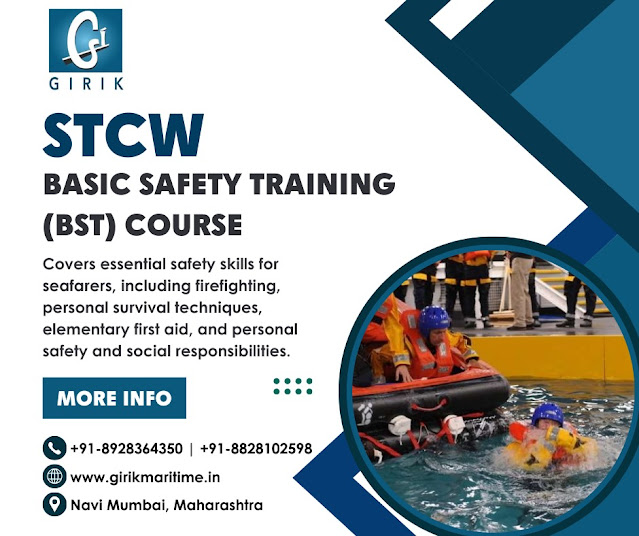
Basic Safety Training Course
Together, these courses prepare candidates to meet international maritime safety standards.
Career Benefits of the PSSR Course
Strong Foundation for Maritime Careers
The course introduces candidates to the realities of shipboard life and prepares them for future responsibilities.
Enhanced Safety Awareness
Students develop a safety-first mindset that remains valuable throughout their maritime careers.
Better Employment Opportunities
Shipping companies prefer candidates who have completed mandatory STCW training requirements.
International Recognition
The certification is recognized across the global maritime industry, opening doors to employment opportunities worldwide.
Improved Professional Skills
The course develops:
Communication abilities
Teamwork skills
Problem-solving capabilities
Emergency response readiness
Opportunities After Completing the PSSR Course
After completing the course, candidates can continue their maritime training and pursue careers in:
Merchant Navy
Cargo Ships
Tanker Operations
Offshore Vessels
Passenger Ships
Cruise Ships
Many students also proceed with advanced maritime programs such as the OCTCO course, which provides specialized training in oil and chemical tanker cargo operations.
Why Choose Girik Maritime Academy?
Girik Maritime Academy is dedicated to supporting Indian seafarers through quality maritime education and professional guidance.
Our Advantages
Experienced maritime instructors
Industry-relevant training programs
Student-focused learning environment
Comprehensive STCW training
Convenient location in Navi Mumbai
Practical and theoretical learning approach
Whether you are enrolling in the Basic Safety Training Course, STCW Course in Navi Mumbai, Personal Survival Techniques Course, or OCTCO course, our goal is to help you build a successful maritime career.
Conclusion
The Personal Safety and Social Responsibilities Course is one of the most important first steps for anyone entering the maritime industry. It provides essential knowledge about safety, accident prevention, communication, environmental responsibility, and emergency preparedness.
At Girik Maritime Academy, our 4-day PSSR training program is designed to equip aspiring seafarers with the confidence and skills required for life at sea. If you are planning to begin your maritime journey, enrolling in this course can be a valuable investment in your future.
Contact Girik Maritime Academy
Address:
Office No.120, 1st Floor, A-Wing, Mahesh Building, Sec-15, CBD Belapur, Navi Mumbai, Maharashtra (India) – 400614
Phone:
+91-8928364350 / +91-8828102598
Email:
girikmaritime@gmail.com
FAQs
1. Who can join the PSSR Course?
Anyone interested in a maritime career can join the PSSR Course. A minimum qualification of 10th Standard is desirable, along with the required documents and medical fitness certificate.
2. How long is the PSSR Course?
The Personal Safety and Social Responsibilities Course is conducted over 4 working days, covering essential shipboard safety, communication, and emergency response training.
3. Is the PSSR Course mandatory for seafarers?
Yes, the PSSR Course is a mandatory part of the STCW Course and is required for individuals planning to work onboard ships in the maritime industry.
4. What are the benefits of completing the PSSR Course?
The course improves safety awareness, teamwork, communication skills, and emergency preparedness, helping candidates build a strong foundation for a successful maritime career.


Comments
Post a Comment