Basic Oil and Chemical Tanker Cargo Operations Course: Complete Guide and Career Opportunities
Introduction
The maritime industry offers a wide range of career opportunities, and tanker shipping remains one of the most specialized and rewarding sectors. For seafarers aspiring to work on oil and chemical tankers, completing the Basic Oil and Chemical Tanker Cargo Operations Course is an essential step toward building a successful career at sea.
At Girik Maritime Academy, aspiring maritime professionals receive industry-focused training designed to meet international standards and prepare them for real-world tanker operations. This course provides the knowledge and practical understanding required to safely handle oil and chemical cargoes while ensuring compliance with maritime safety regulations.
In this comprehensive guide, we will explore everything you need to know about the Basic Oil and Chemical Tanker Cargo Operations Course, its importance, course content, benefits, and the exciting career opportunities available after successful completion.
Basic Oil and Chemical Tanker Cargo Operations Course?
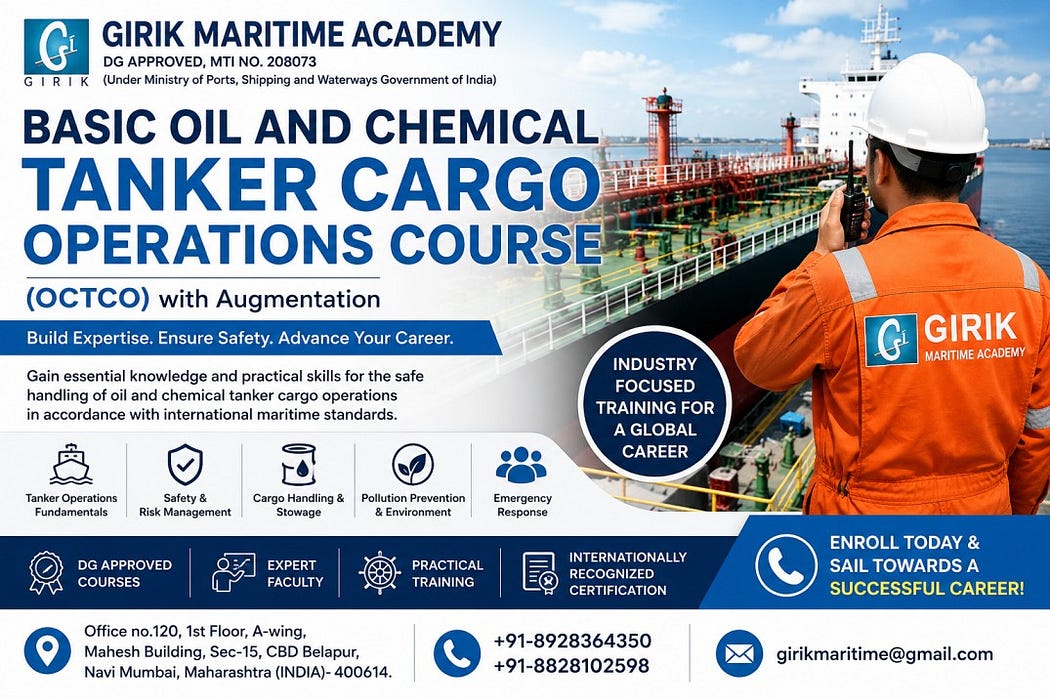
The Basic Oil and Chemical Tanker Cargo Operations Course, also known as OCTCO (Oil and Chemical Tanker Cargo Operations), is a specialized maritime training program designed for seafarers who wish to work onboard oil and chemical tankers.
The course equips candidates with the essential knowledge required to:
- Understand tanker operations
- Handle oil and chemical cargo safely
- Follow safety procedures onboard
- Prevent pollution incidents
- Respond effectively to emergencies
- Comply with international maritime regulations
This training is mandatory for crew members who are assigned specific duties related to cargo handling and tanker operations.
Why is the OCTCO Course Important?
Oil and chemical tankers transport hazardous cargoes across the world. Handling such cargo requires specialized knowledge and strict adherence to safety procedures.
The Basic Oil and Chemical Tanker Cargo Operations Course helps seafarers understand:
Safety Risks on Tankers
Tanker operations involve:
- Flammable cargoes
- Toxic chemicals
- Explosive atmospheres
- Environmental hazards
Proper training minimizes risks and ensures safe operations.
Environmental Protection
Marine pollution can have devastating effects on oceans and coastal regions. The course teaches pollution prevention measures and environmental responsibility.
Regulatory Compliance
International maritime authorities require tanker personnel to undergo approved training before serving onboard tankers.
Course Overview at Girik Maritime Academy
Girik Maritime Academy provides comprehensive tanker training through the Basic Oil and Chemical Tanker Cargo Operations inclusive of Augmentation OCTCO program.
The course is designed to bridge the gap between theoretical knowledge and practical tanker operations.
Key Topics Covered
1. Basic Knowledge of Oil and Chemical Tankers
Candidates learn:
- Types of tankers
- Tanker construction
- Cargo systems
- Cargo tanks and pipelines
2. Physical and Chemical Properties of Cargo
Understanding cargo characteristics is crucial for safe handling.
Topics include:
- Flammability
- Toxicity
- Reactivity
- Corrosive properties
3. Tanker Safety Culture
Safety is the foundation of tanker operations.
Students learn:
- Safety management systems
- Permit-to-work systems
- Hazard identification
- Risk assessment
4. Cargo Handling Procedures
The course explains:
- Loading operations
- Discharging operations
- Cargo monitoring
- Tank cleaning procedures
5. Fire Prevention and Firefighting
Tanker fires can be catastrophic.
Training includes:
- Fire hazards
- Fire prevention techniques
- Firefighting equipment
- Emergency response procedures
6. Pollution Prevention
Students gain knowledge about:
- MARPOL regulations
- Oil spill prevention
- Chemical spill response
- Environmental protection measures
7. Emergency Response Procedures
The course prepares candidates to respond to:
- Cargo leaks
- Fire incidents
- Explosions
- Chemical exposure emergencies
Eligibility for the Basic Oil and Chemical Tanker Cargo Operations Course
The course is suitable for:
- Deck Cadets
- Engine Cadets
- Ratings
- Junior Officers
- Aspiring Seafarers
Candidates planning to work onboard oil or chemical tankers should complete this training before joining tanker vessels.
How the Course Supports Your Maritime Career
The tanker shipping industry offers attractive salaries and long-term career growth.
Enhanced Professional Skills
The training develops:
- Technical knowledge
- Safety awareness
- Emergency response skills
- Operational competence
Increased Employment Opportunities
Many shipping companies prefer candidates who already possess tanker training certifications.
Better Career Progression
Tanker experience often accelerates career advancement compared to conventional cargo vessels.
Career Opportunities After Completing the Course
One of the biggest advantages of completing the Basic Oil and Chemical Tanker Cargo Operations Course is access to specialized tanker jobs.
Deck Department Careers
Deck Cadet
New entrants often begin their careers as deck cadets onboard tanker vessels.
Responsibilities include:
- Assisting navigation officers
- Cargo watchkeeping
- Safety inspections
Third Officer
After gaining sea service and qualifications, candidates can progress to officer positions.
Engine Department Careers
Engine Cadet
Engine cadets assist in machinery maintenance and tanker operations.
Junior Engineer
Qualified candidates can work as engineering officers responsible for tanker machinery systems.
Rating Positions
Ordinary Seaman (OS)
Works under supervision while gaining tanker experience.
Able Seaman (AB)
Performs cargo operations and deck maintenance activities.
Motorman
Supports engine room operations onboard tanker vessels.
Why Tanker Careers Are in Demand
The global demand for oil, chemicals, and petroleum products ensures a steady requirement for qualified tanker crew.
Attractive Salaries
Tanker personnel often receive higher salaries than crew working on general cargo vessels.
Global Employment Opportunities
Qualified tanker professionals can find opportunities with international shipping companies.
Career Stability
The tanker sector remains a critical part of global trade and energy transportation.
Additional Courses That Strengthen Your Maritime Career in Girik Maritime Academy
To maximize career opportunities, candidates should complete essential maritime training programs.
STCW Course
The STCW Course is the foundation of maritime training and is mandatory for seafarers worldwide.
It provides basic safety knowledge required for working onboard ships.
Basic Safety Training Course in Mumbai
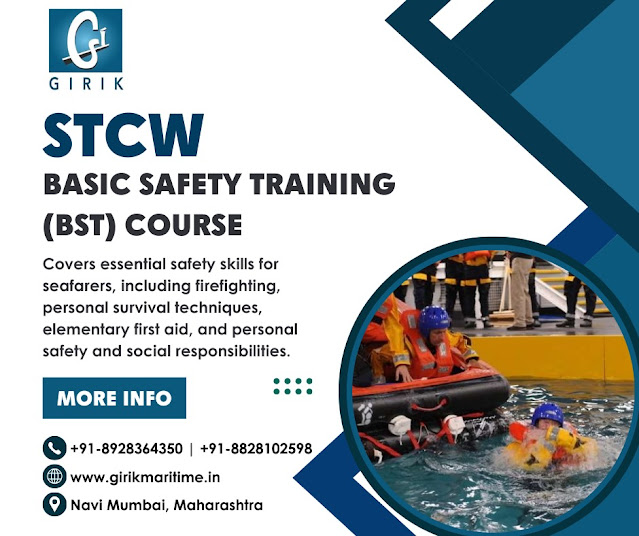
The Basic Safety Training Course in Mumbai equips candidates with:
- Personal survival skills
- Fire prevention techniques
- Elementary first aid
- Personal safety awareness
This training is often the first step before pursuing tanker-specific courses.
Personal Survival Techniques Course
The Personal Survival Techniques Course teaches seafarers how to survive emergency situations at sea.
Training includes:
- Life raft operations
- Life jacket usage
- Water survival techniques
- Rescue procedures
These skills are vital for all maritime professionals.
DG Approved STCW Course in Mumbai
Candidates seeking employment opportunities in the maritime sector often choose a DG approved STCW course in Mumbai to meet regulatory requirements and enhance employability.
Combining STCW certification with tanker training creates a strong foundation for a successful maritime career.
Why Choose Girik Maritime Academy?
When selecting a maritime training institute, quality education and practical exposure are essential.
Experienced Faculty
Girik Maritime Academy provides training through experienced maritime professionals who understand industry requirements.
Industry-Relevant Curriculum
The academy focuses on practical learning and current maritime regulations.
Student-Centric Learning
Candidates receive guidance and support throughout their training journey.
Modern Training Environment
The academy is committed to providing quality maritime education that prepares students for real-world challenges onboard ships.
Visit Us — Girik Maritime Academy
If you are planning a career in tanker shipping, the Basic Oil and Chemical Tanker Cargo Operations Course at Girik Maritime Academy can help you gain the knowledge and confidence required for success. The academy is dedicated to supporting aspiring seafarers through professional maritime training programs that meet industry standards. Whether you are beginning your maritime journey or looking to specialize in tanker operations, Girik Maritime Academy offers the right guidance and training to help you achieve your career goals in the global shipping industry.
Phone: +91–8928364350 / +91–8828102598
Conclusion
The Basic Oil and Chemical Tanker Cargo Operations Course is an important qualification for seafarers who want to build a rewarding career in the tanker shipping sector. The course provides essential knowledge about tanker operations, cargo handling, safety procedures, pollution prevention, and emergency response.
By completing this training at Girik Maritime Academy, candidates can enhance their professional skills, improve job prospects, and access exciting career opportunities in the global maritime industry. Combined with certifications such as the STCW Course, Basic Safety Training Course in Mumbai, and Personal Survival Techniques Course, tanker training creates a strong pathway toward a successful and long-lasting maritime career.
FAQs -
1. What is the duration of the Basic Oil and Chemical Tanker Cargo Operations Course?
The course duration is generally 6 days, depending on the training schedule and academy requirements.
2. Who should enroll in the OCTCO Course?
Deck cadets, engine cadets, ratings, junior officers, and aspiring seafarers planning to work on oil and chemical tankers should enroll.
3. Is the Basic Oil and Chemical Tanker Cargo Operations Course mandatory for tanker jobs?
Yes, tanker-specific training is generally required for seafarers involved in cargo operations onboard oil and chemical tankers.
4. What career opportunities are available after completing the course?
Candidates can work as Deck Cadets, Engine Cadets, Ordinary Seamen, Able Seamen, Motormen, and later progress to officer positions onboard tanker vessels.


Comments
Post a Comment